Briscoe LabDevelopmental Dynamics of Tissue Formation
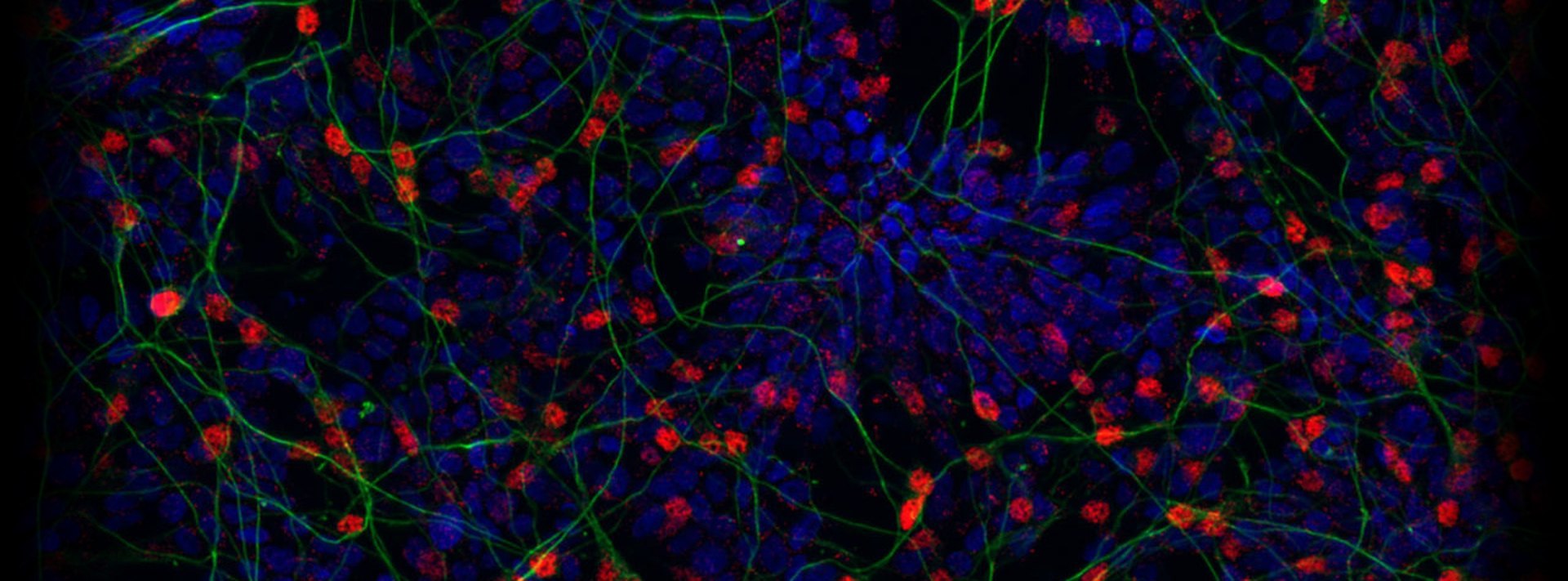
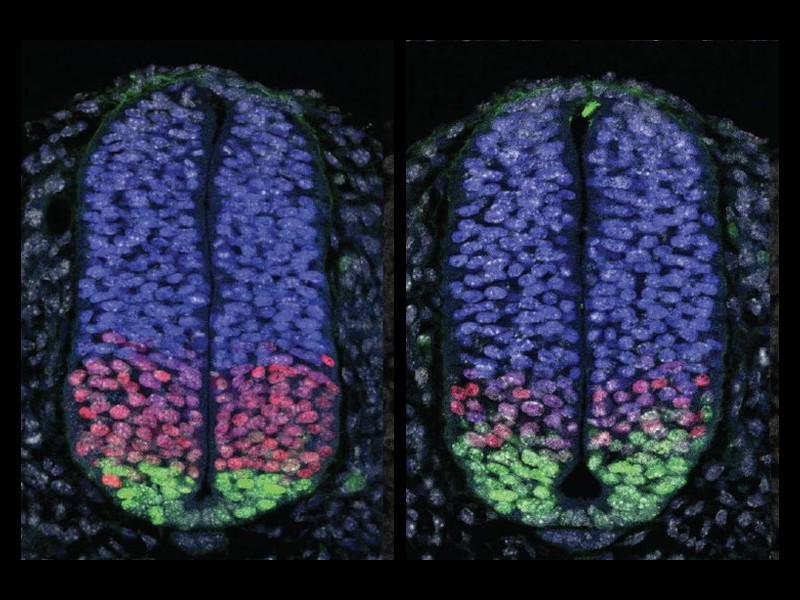
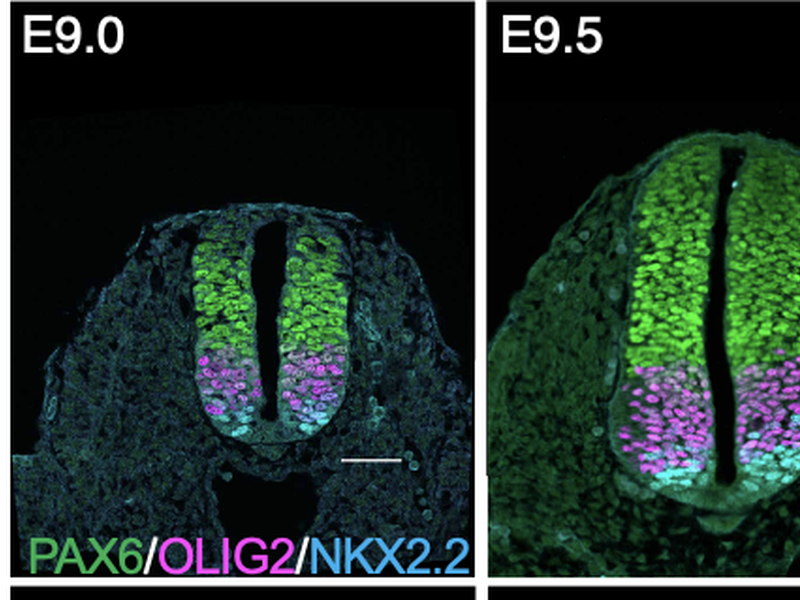
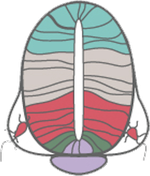
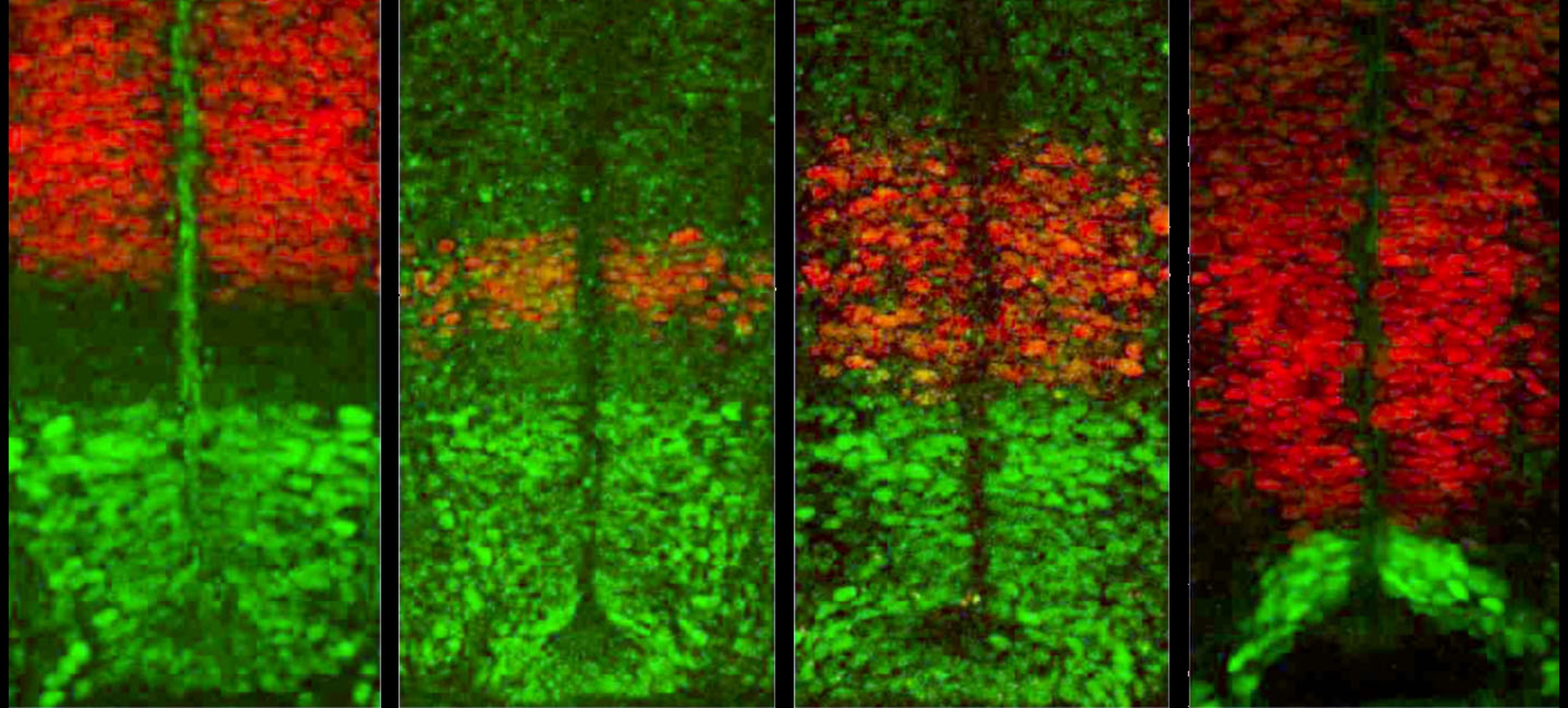
Transverse sections of the neural tube showing progenitors expressing a combination of transcription factors including Pax6, Nkx6.1, Nkx2.2, Dbx1 and Dbx2.

How does an embryo build a nervous system?

Our research Join the lab

What we do

We study how cells in a developing tissue acquire the right identity, in the right place, at the right time, and in the right numbers.

We investigate how gene regulation, signalling and cell behaviour direct tissue formation, using the vertebrate spinal cord as our main model system. We combine developmental biology, genomics, bioengineering and computational modelling to understand how specific cell types are generated, how functional tissues are assembled, and how system-level properties such as pattern, tempo, precision and morphogenesis emerge from molecular mechanisms.

The goal is to explain neural tube formation across scales, from molecular mechanism to cell behaviour to tissue organisation. This is one of the grand challenges of systems developmental biology: reverse-engineering a developing tissue in enough detail to predict and control its formation. We now test that understanding by building. We design regulatory DNA to specification, produce morphogen gradients with light, and grow spinal cord tissue from stem cells.
Why it matters

Answering these questions links genotype to phenotype and explains how structure relates to function in the nervous system. It also lays the foundations needed to engineer tissues, model disease and advance regenerative medicine.

Research

Five connected questions, one tissue.

Gene regulatory networks

Groups of transcription factors, wired into a network, decide which type of cell each neural progenitor becomes. We are mapping the network and asking how gradients of signals such as Sonic Hedgehog control it over time.

Read more →

Gene regulation

Cis-regulatory elements are the stretches of DNA that determine when and where genes switch on and off. We are working out the rules they follow and testing those rules by building new elements from scratch.

Read more →

Tempo, growth and lineage

Development runs to a schedule and the schedule differs between species. We study what sets the pace, how the time of neuronal generation affects cell type and how lineage determines what each progenitor can make.

Read more →

Stem cells and bioengineering

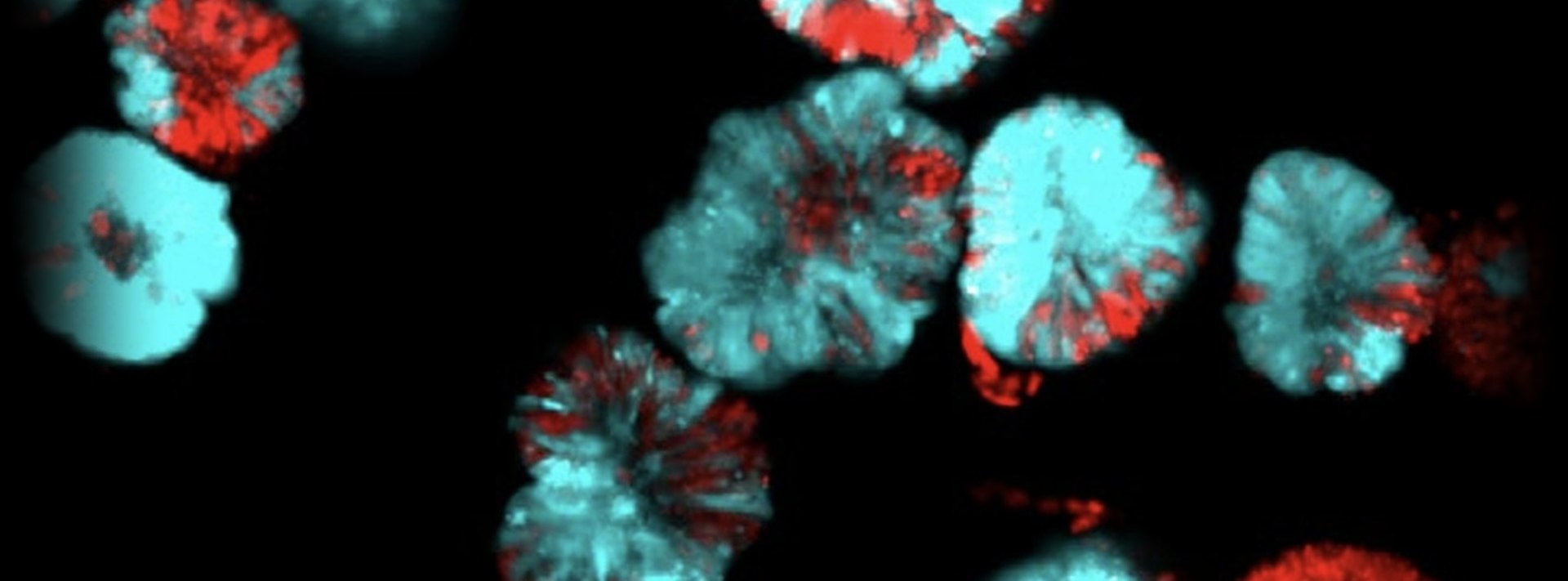
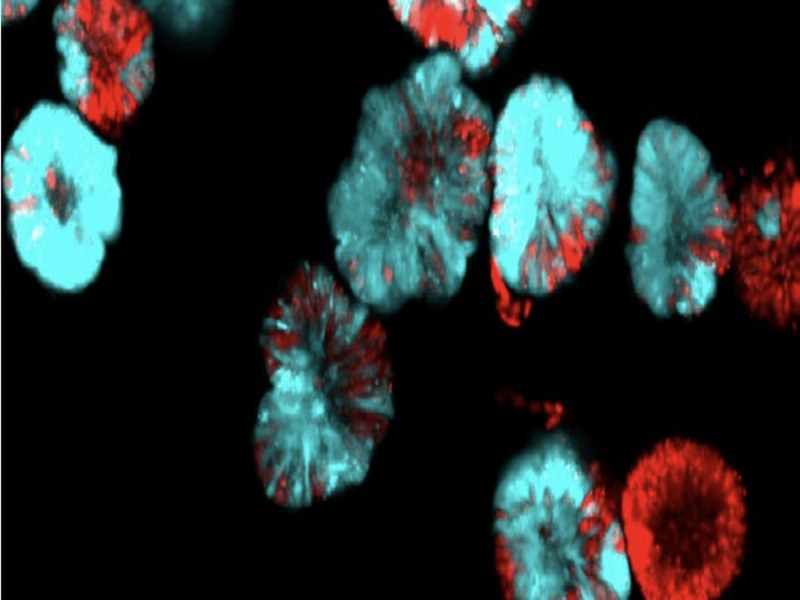
We build spinal cord tissue outside the embryo, from stem cells, then control the signals it receives. Reconstructing a tissue from its parts is the strongest test of whether we understand how embryos form.

Read more →

Computational approaches

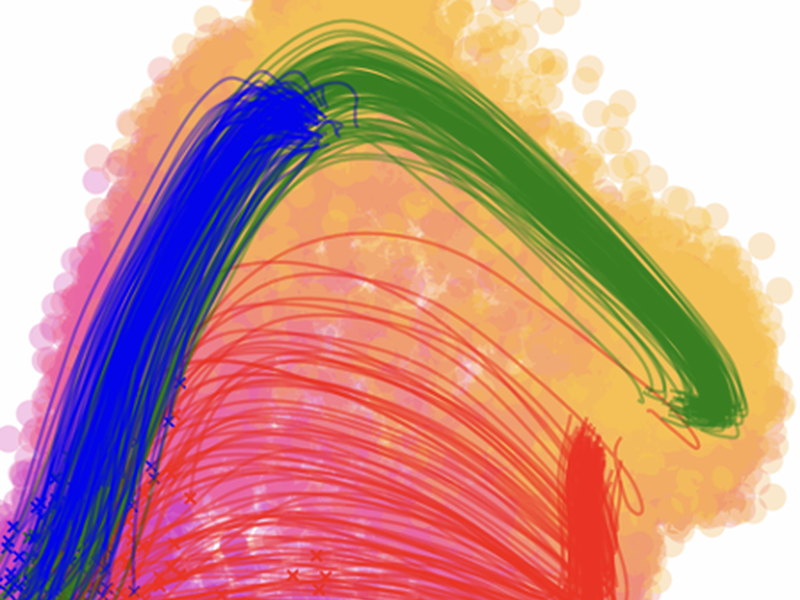
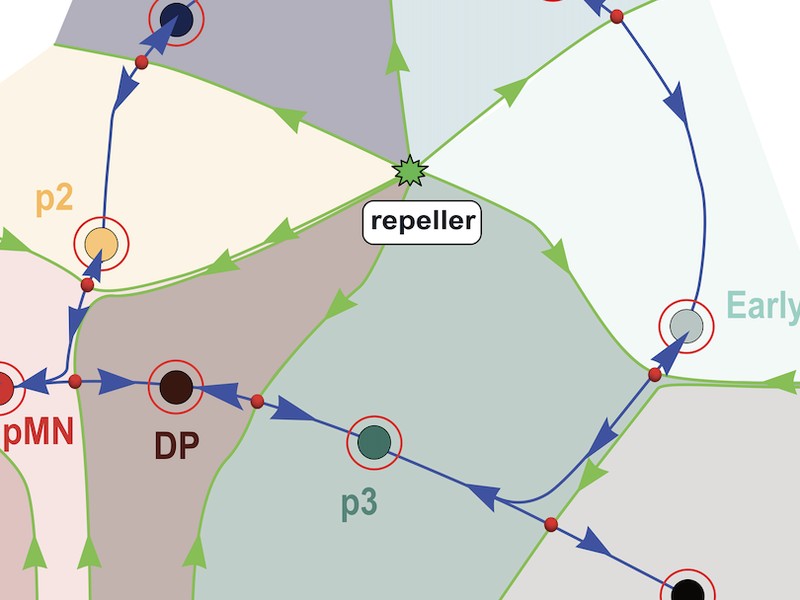
Embryos are dynamical systems. We build models that explain how cells choose fates, and methods that recover those dynamics from the data single-cell experiments produce.

Read more →

Recent papers

Maizels RJ, Briscoe J
Gene regulatory networks: from correlative models to causal explanations
Nature Reviews Genetics 27:485-498 (2026)
Stuart HT, Costantini E, Wang J, et al., Tanaka EM, Briscoe J
Minimal essential requirements for neural tube self-organisation
bioRxiv (2026)
Boezio GLM, Depotter JRL, Frith TJR, et al., Briscoe J
Hierarchical lineage architecture of human and avian spinal cord revealed by single-cell genomic barcoding
bioRxiv (2025)
Benzinger D, Briscoe J
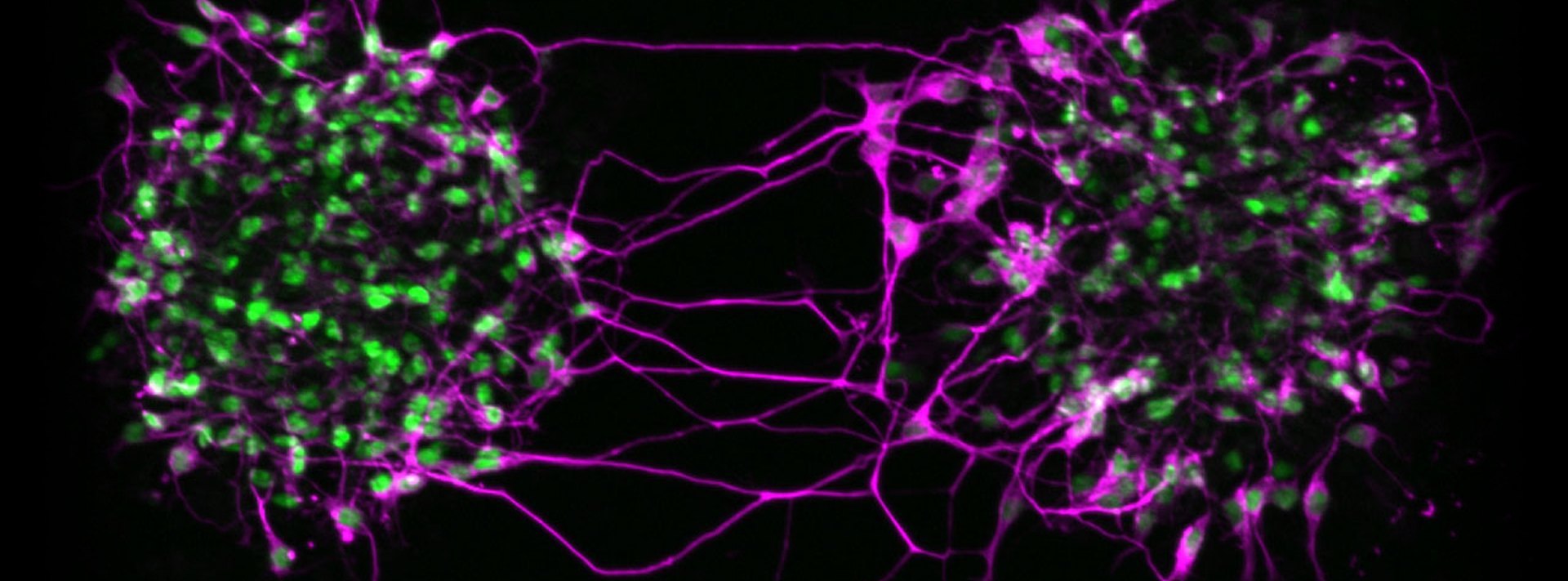
Investigating morphogen and patterning dynamics with optogenetic control of morphogen production
Developmental Cell 60:3421-3430 (2025)

All 121 publications →

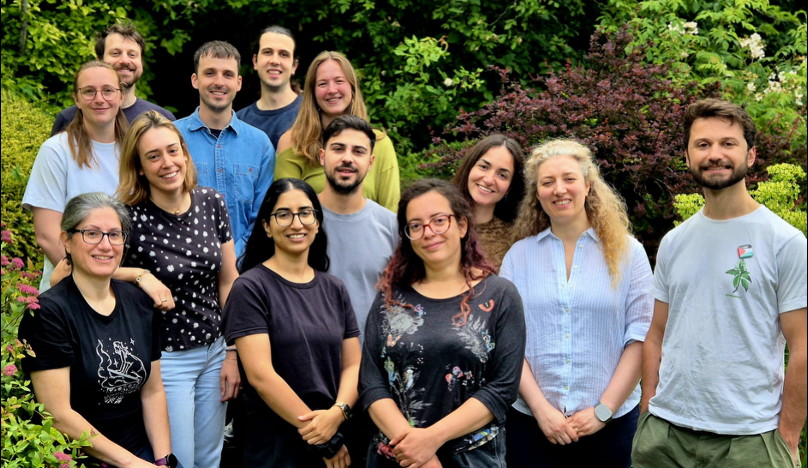
Members of the Briscoe lab standing together outdoors in a garden, with trees and shrubs behind them

Join us

We are always interested in hearing from prospective PhD students and postdocs, whatever your background: wet lab, computational, physical or somewhere in between.

How to apply